A week at Data Science Africa 2026, Makerere
I just spent a week at Data Science Africa (DSA) 2026 — the summer school and workshop hosted at Makerere University in Kampala (20–24 July 2026). Here's what I'm taking home.
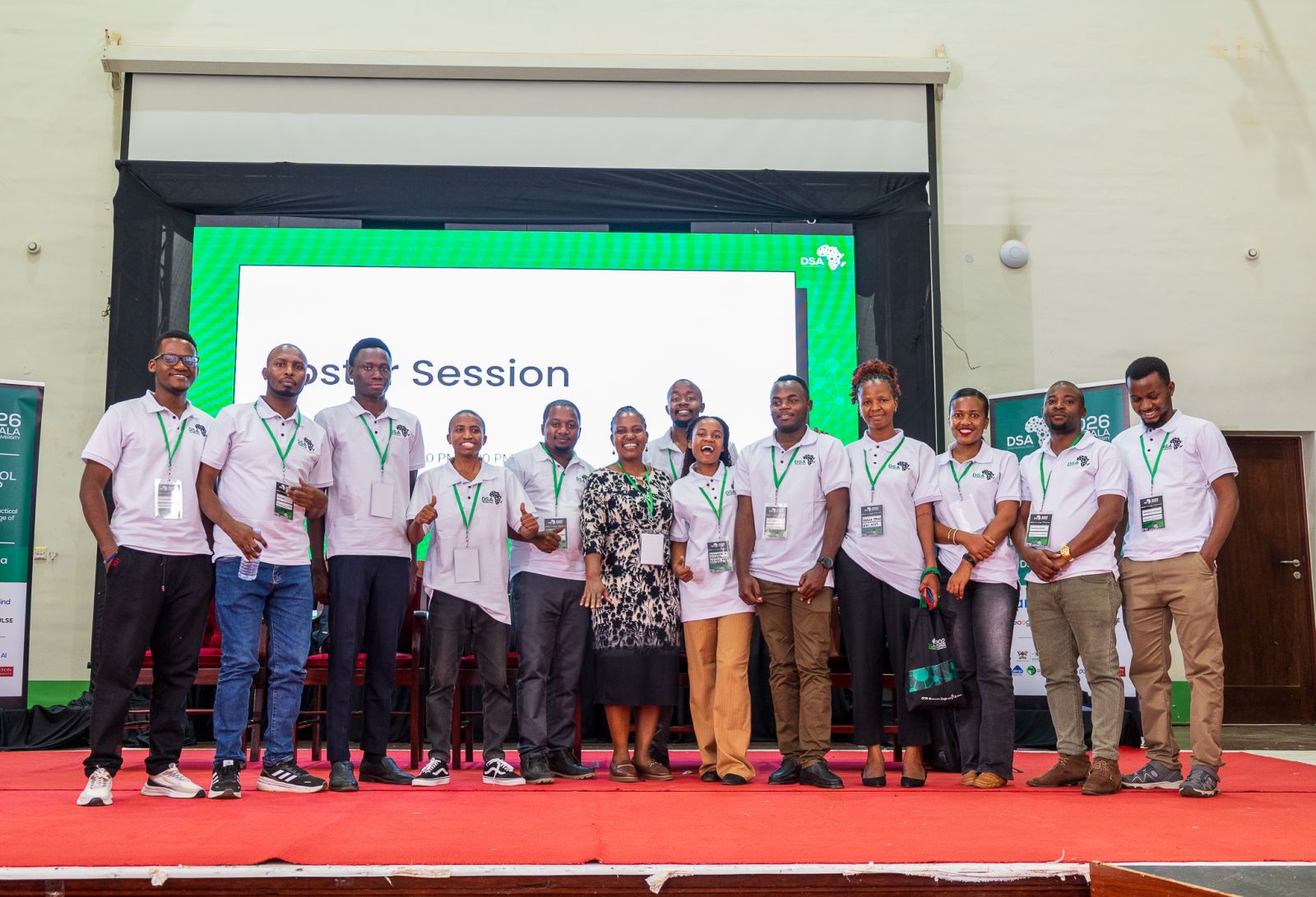
Three things I'm taking home
1. A real MLOps lifecycle is longer than the one we usually run. The version I'd been taught in practice goes: data source → feature engineering → model training → model testing → deployment. DSA laid out the full picture: data source → EDA → data wrangling → feature engineering → model training → experiment tracking → model registry → model testing → deployment → monitoring/logging → drift detection → automatic or manual retraining. The steps we tend to skip — tracking, a registry, monitoring, drift detection — are exactly the ones that make a pipeline robust instead of just working once on a laptop.
2. "Model output ≠ business decision." A prediction is an input to a decision, not the decision itself. Obvious once you hear it, easy to forget when you're deep in metrics.
3. The anatomy of a good prompt. Five parts: role, task, context, constraints, output format. A clean checklist I'll actually use.
A few photos
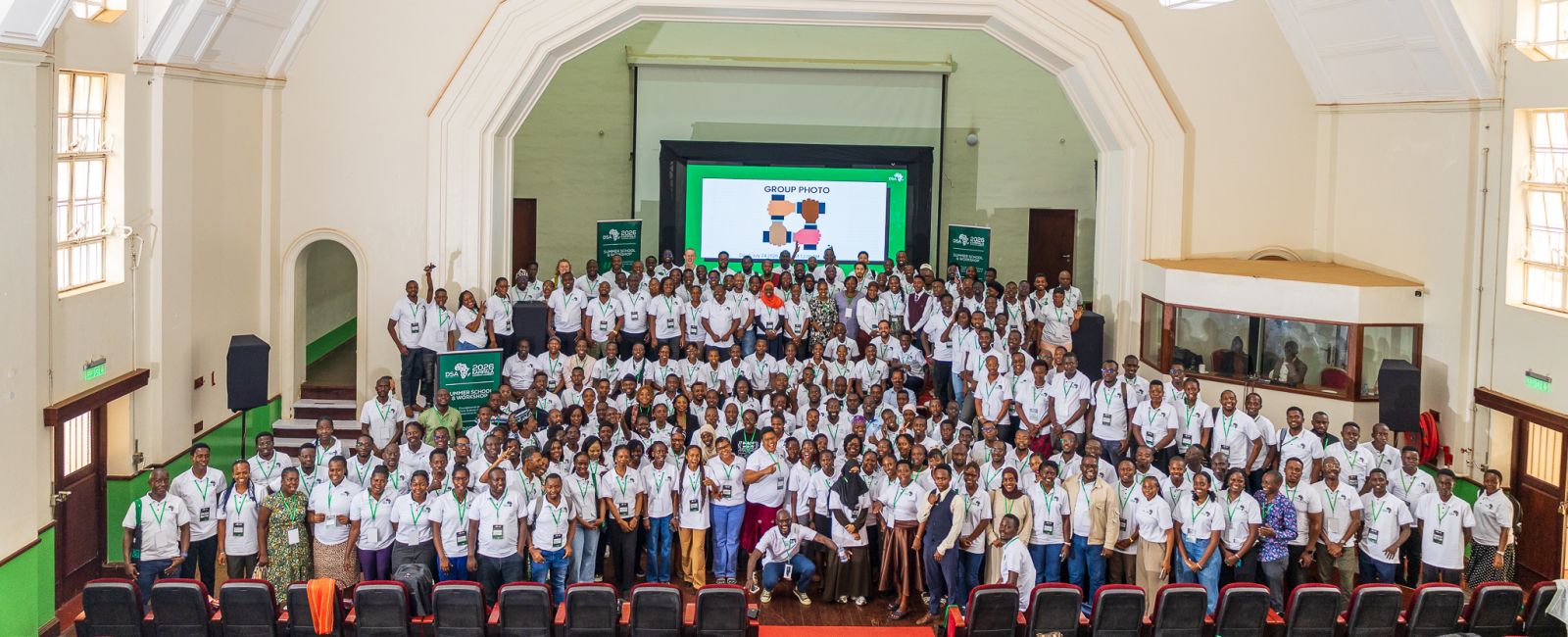
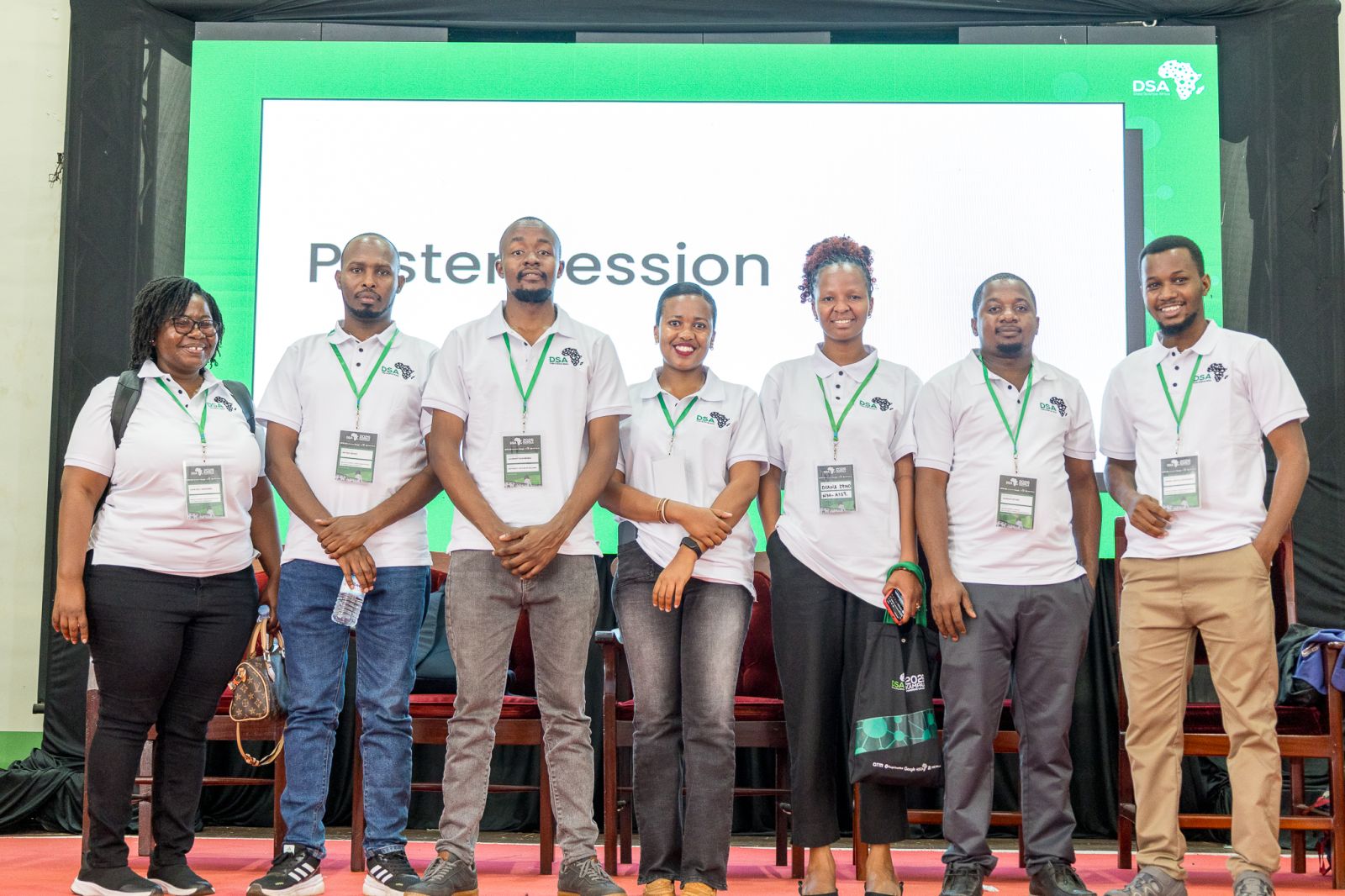
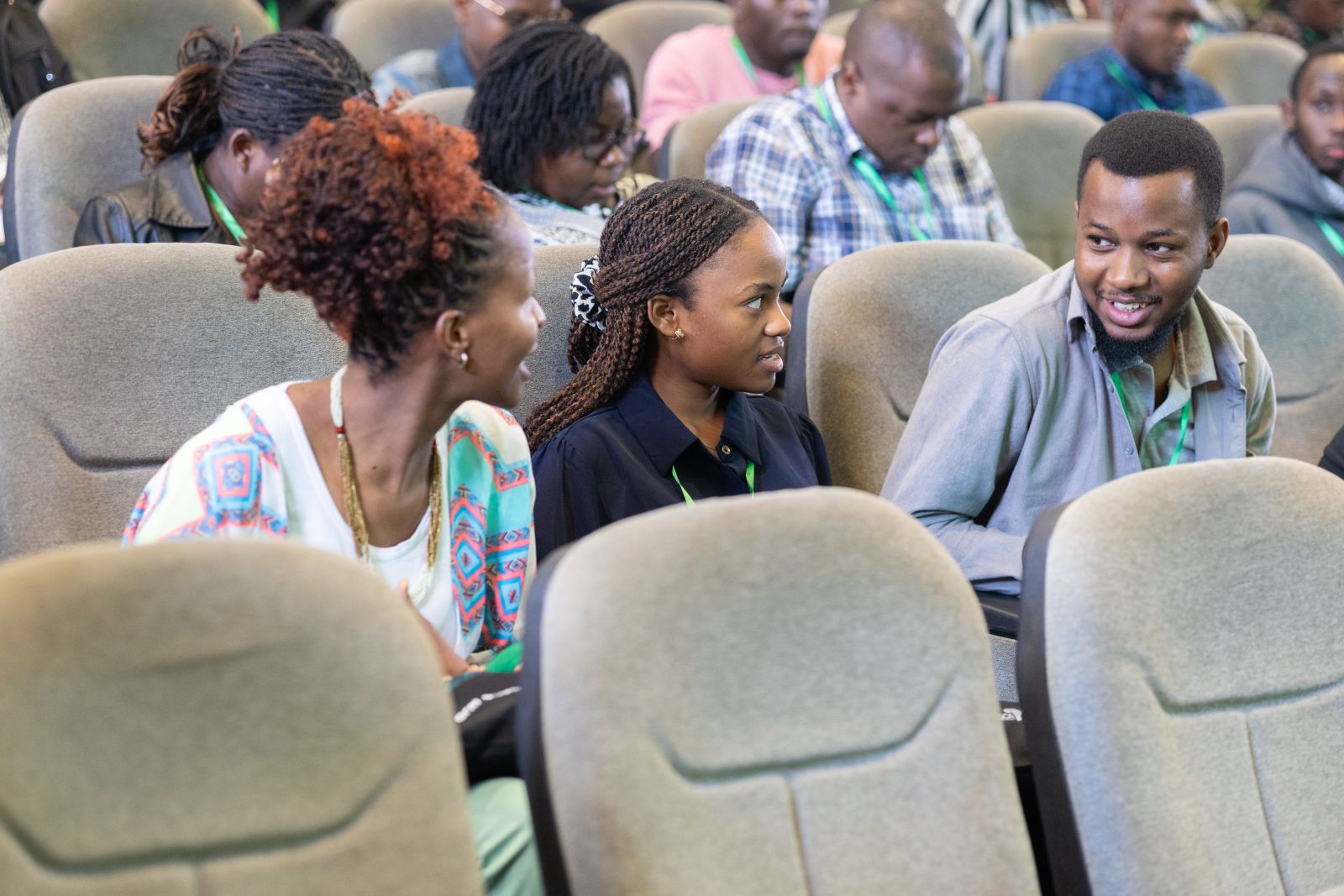
Why this matters for what I'm building
It connected more directly than I expected. Sessions on NLP and African language models and on AI on the edge / resource-constrained environments map almost exactly onto what our team needs for Mama Salama, our AI4H project — which is built on precisely that combination: NLP plus offline, on-device AI. I came back with a clearer picture of how to actually put those two together.
Comments
No comments yet — be the first.