A week at the AgriFin Hackathon, Arusha
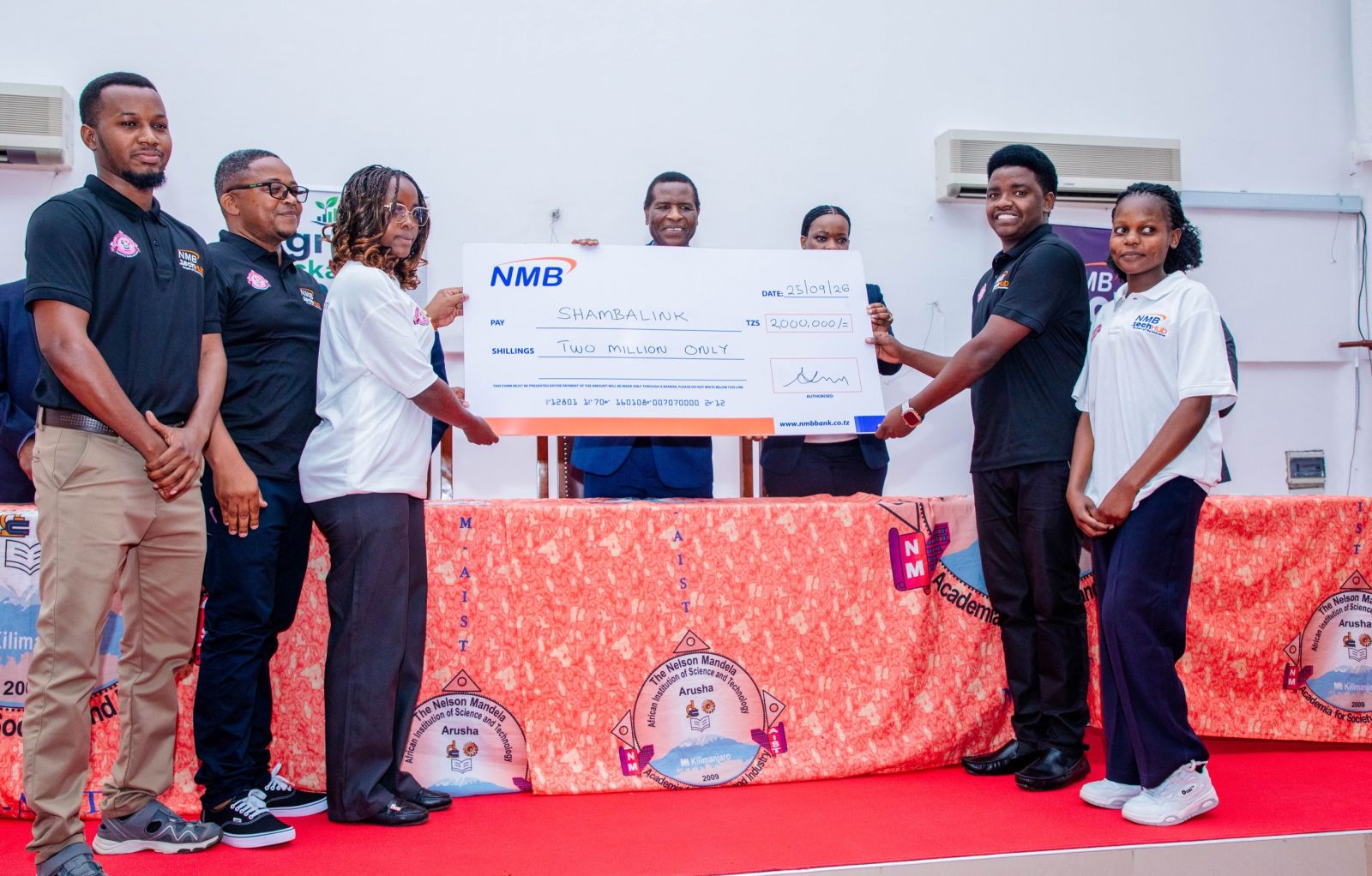
I spent 21 to 25 September at the AgriFin Hackathon 2026 at NM-AIST in Arusha: five days on agricultural finance for smallholder farmers, convened and judged by NMB Bank and NM-AIST, on the theme "Cracking the Financial Code for Tanzania's Farmers". Twenty of us were there. My team took first place with Shamba Link, which helps NMB and smallholder farmers make better decisions around agricultural lending.
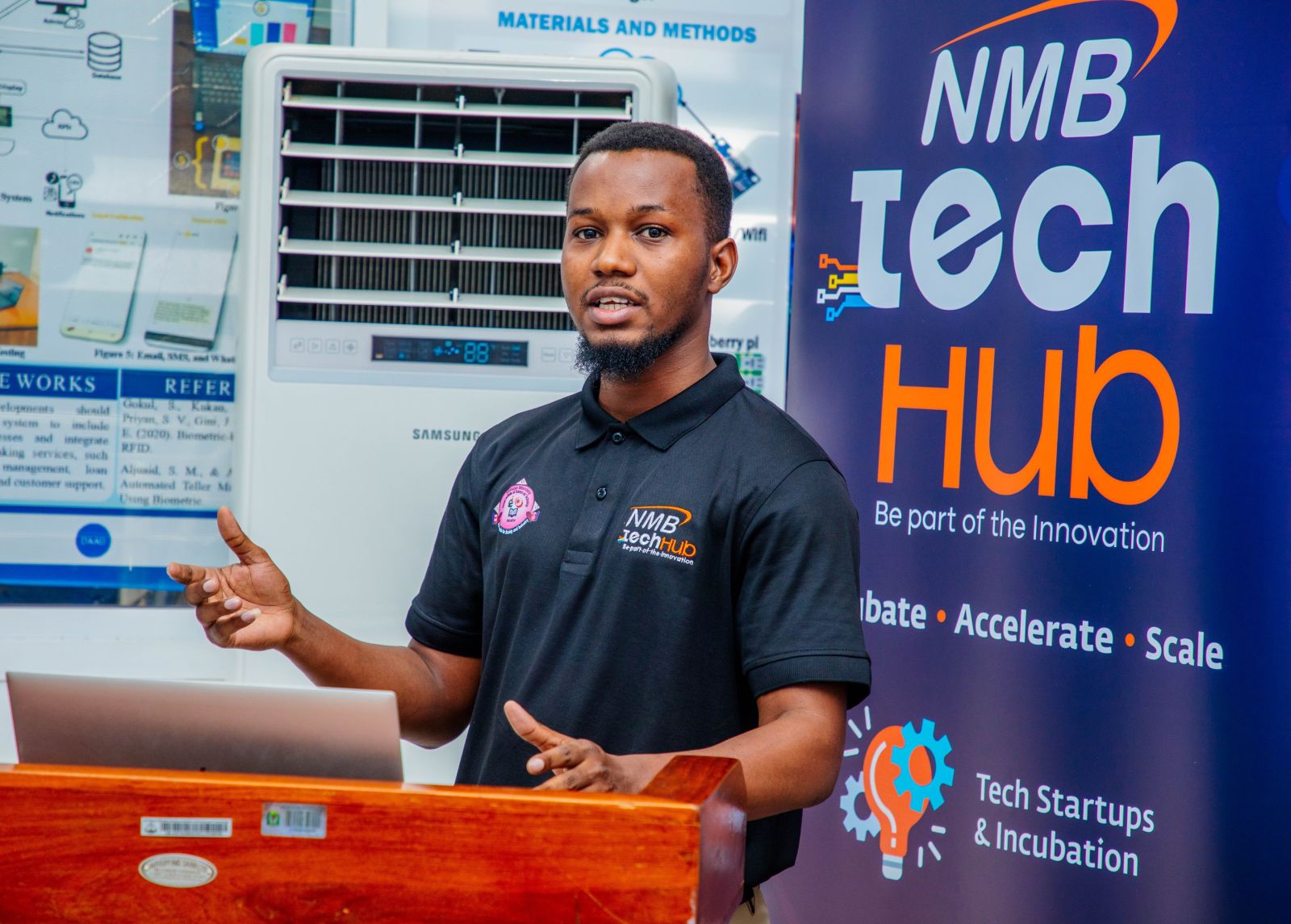
Here is my reflections and what i learnt through out the week.
How to structure a problem before solving it
This is the biggest shift I took home.
Start with the evidence. What you actually hold: the farm summary, the production history, the delivery records, the consented banking activity. Consent is not a footnote in that list. It is part of what makes the evidence usable at all.
Then identify the gaps. Cash-based activity that leaves no trace. Missing records. Unverified estimates. Information that conflicts with other information.
Then answer the questions the gaps raise. What is the financing purpose? Is there other evidence available? Does the product fit the market? And what are the next assessment steps, meaning how would we actually test that this holds in production?
Evidence, gaps, questions, in that order. The operational form of it is a three-step loop for working with data that belongs to somebody else: connect (identify the person, request consent, retrieve only what is permitted), test (match them against the financial records, handle mismatched or conflicting information, and respect a change of consent when it happens), and explain (produce the result, and show the assumptions and the gaps behind it, not just the number).
I had been doing a rough version of all of this by instinct. Having it as an ordered sequence is a different thing, and it is going into every problem I take on from here.
Accurate, consented, explainable, fair
The second thing worth keeping is a standard for using farmer data, and it fits in four words.
- Accurate. The farmer can review the records held about them.
- Consented. The farmer agrees to what is used, and can change that agreement.
- Explainable. The farmer can understand the result and question it.
- Fair. Cash-based activity and a difficult season are given context.
Most systems manage the first two and stop there. Explainable is the one that decides whether a person can argue with a decision made about them, and fair is the one that decides whether the system reads a farmer's life as a life or as a set of missing fields.
Building for five years, not five days
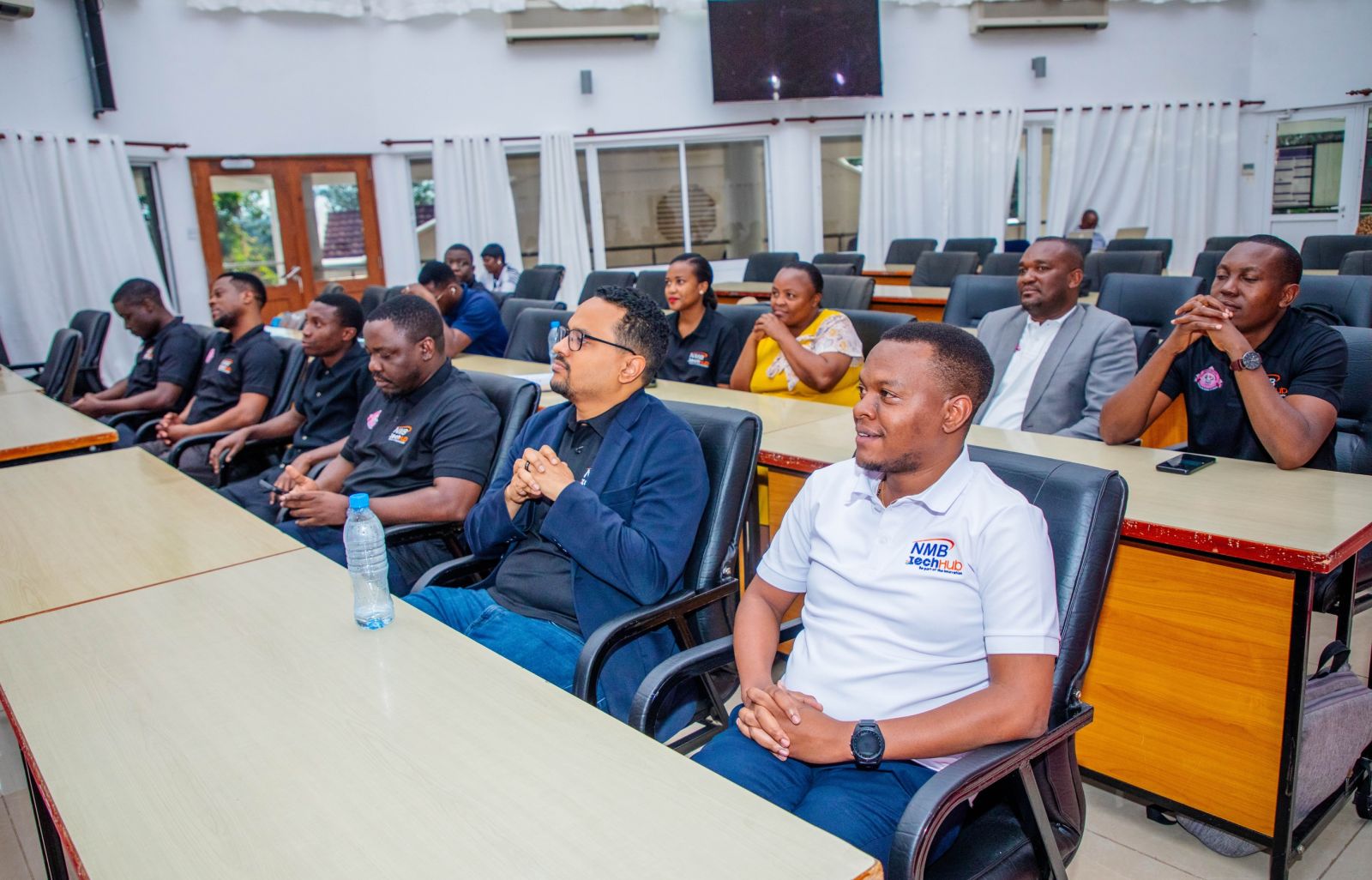
NMB walked us through how they structure a digital capability programme over four to five years, and the pattern generalises well beyond a bank: build in year one, meaning governance, operating model, launch, integration with what already exists, and the first real partnerships; scale across years two and three, meaning growing those partnerships, embedding milestones, benchmarking continuously; then sustain in years four and five, transitioning with the changes, extending into new markets, and positioning so that partners and opportunities come to you instead of you chasing them.
That last clause is the one that stuck. It also made sense of the ecosystem they have built around their digital academy, where the e-learning, the talent pipeline, the platforms and data, the governance and the culture work are not separate programmes but one structure with the parts wired to each other. I am already thinking about what the equivalent looks like for what I am building.
Where this goes next
The team was Lilian Urio (KIUT), Noela Haule (KIITEC), Martin Lyimo (NM-AIST), Daniel Laizer (NM-AIST) and me, across three institutions. Thanks to NMB Bank for setting a problem with real weight behind it, and to NM-AIST for hosting the week.
What I am taking forward is the sequence: evidence, gaps, questions, and a result that can be explained to the person it is about. That applies as directly to the health data work I do as it does to lending. If you are working on financial access for smallholder farmers, in a bank, a research group or a startup, I would like to hear from you.
Comments
No comments yet — be the first.